
Currently Empty: $0.00

 4x Braided Line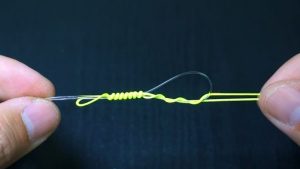
Fishing is all about precision, and one crucial skill is knowing how to join your fishing line to braided line. Braided lines are known for their strength and durability, but they can be tricky when it comes to connecting them with other types of fishing lines, like monofilament or fluorocarbon. In this guide, we’ll break down the best techniques to help you make solid, reliable connections between fishing lines and braided lines, ensuring your gear works seamlessly.
Understanding the Basics of Braided Line
Before diving into the different methods of joining fishing lines to braid, it’s important to understand the properties of braided lines. Braided lines are made of multiple strands of synthetic fiber that are tightly woven together. They offer several advantages:
- Strength: Braided lines are stronger than most other fishing lines of the same diameter.
- Thin Profile: Their small diameter allows for better casting distance and the ability to use smaller reels.
- Durability: They resist wear and tear, making them ideal for heavy-duty applications.
However, braided lines have one drawback, they are difficult to tie directly to hooks or lures. That’s why it’s essential to know how to join them properly to other lines.
Choosing the Right Knot for Joining Lines
The most reliable way to knowing how to join fishing line to braid, such as monofilament or fluorocarbon, is by using a knot designed specifically for this purpose. Here are some of the best knots for this task:
1. The Uni Knot
The Uni Knot is versatile and widely used for connecting braided lines to monofilament or fluorocarbon lines. It’s easy to tie and holds up well under pressure. Here’s how to tie it:
- Pass the braided line through the eye of the hook or lure.
- Wrap the braided line around itself 5-6 times.
- Thread the tag end back through the loop near the eye of the hook.
- Moisten the knot and pull it tight. Trim excess line.
2. The Double Uni Knot
If you’re connecting two lines of different diameters (like braided line to monofilament), the Double Uni Knot is a fantastic option. This knot is strong and works well with a variety of line materials:
- Lay the two lines parallel to each other.
- Take one line and tie a simple Uni Knot around the other line, then repeat the process with the second line.
- Pull both knots tight, ensuring the two knots meet in the middle.
- Trim the excess and moisten the knots to ensure they hold securely.
3. The Albright Knot
The Albright Knot is another excellent option for connecting braided lines to monofilament or fluorocarbon. It’s known for its smoothness, which is ideal for preventing line friction when passing through guides. Here’s how you tie it:
- Lay the two lines side by side, with the braided line overlapping the monofilament line.
- Wrap the braided line 10-12 times around the monofilament line.
- Thread the tag end of the braided line back through the loop formed by the initial overlap.
- Moisten the knot, pull tight, and trim excess.
Tips for Secure Line Connections
While knot strength is crucial, there are a few additional tips to ensure that your knots hold up during the toughest battles:
- Moisten your knots: Always wet your knots before tightening them. This reduces friction and ensures the knot doesn’t weaken.
- Test your knots: After tying your knots, give them a pull to make sure they’re secure. Testing helps you catch any issues before casting.
- Use the right line combination: Consider the fishing conditions. For example, a thinner braided line will perform better with a smaller diameter monofilament or fluorocarbon line.
Chart: Knot Strength Comparison
| Knot Type | Strength (%) | Ease of Tying | Recommended Use |
|---|---|---|---|
| Uni Knot | 90% | Easy | Connecting Braided to Monofilament |
| Double Uni Knot | 95% | Moderate | Joining Lines of Different Diameters |
| Albright Knot | 92% | Moderate | Connecting Braided to Fluorocarbon |
Final Thoughts
Knowing how to join fishing line to braid is essential for a successful fishing trip. Each of the knots we discussed offers different advantages depending on the situation. The key is to choose the right knot for your specific line combination and fishing conditions. Whether you’re using a Uni Knot, Double Uni Knot, or Albright Knot, practicing your knots and maintaining them properly will ensure you make the most out of your braided line.
Remember, the best knots are those that hold under pressure and allow you to fish without worrying about your line failing. Once you’ve mastered these knot techniques, you’ll feel confident in making solid connections, whether you’re chasing big game fish or just enjoying a casual day on the water.

