
Currently Empty: $0.00

 4x Braided Line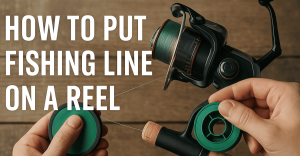
Putting fishing line on a reel isn’t something you want to get wrong. Whether you’re loading a spinning, baitcasting, or spincast reel, the way you spool the line makes a huge difference in performance. A poorly spooled reel leads to line twists, knots, and tangles, which can ruin your whole day on the water. In this guide, we’ll go through how to put fishing line on a reel properly and what mistakes to avoid.
What You’ll Need
- A reel (spinning, baitcasting, or spincast)
- A matching rod
- Fishing line (braid, monofilament, or fluorocarbon)
- A pencil or screwdriver to hold the spool
- Scissors or line cutter
- (Optional) Line conditioner or backing line
Choosing the Right Line for the Right Reel
Before you spool, make sure you’re using the right type of line for your reel:
- Spinning reels: Best paired with monofilament or braided line
- Baitcasting reels: Typically works better with fluorocarbon or braid
- Spincast reels: Usually use light monofilament
Check your reel’s line capacity, usually printed on the spool, to avoid overloading or underloading.
How to Spool a Spinning Reel
- Attach the reel to the rod. This keeps everything stable.
- Open the bail. Never skip this or you’ll be wrapping over the bail arm.
- Run the line through the first rod guide.
- Tie the line to the spool with an arbor knot.
- Close the bail and apply light tension to the line using your fingers or a cloth.
- Have someone hold the line spool horizontally with the label facing you. You want the line to come off the spool the same direction it will go onto your reel.
- Slowly reel while applying steady tension. Keep an eye on the line to prevent twists.
- Stop spooling when the line is about 1/8 inch below the spool rim.
How to Spool a Baitcasting Reel
- Secure the reel onto the rod and run the line through the rod guides.
- Open the level wind guide and tie the line to the spool with an arbor knot.
- Hold the line spool with a pencil and ensure it spins freely while the line comes off straight.
- Apply light tension with a towel or fingers and begin reeling slowly.
- Watch for bunching or uneven wraps. If needed, guide the line manually left and right as you reel.
- Stop when the spool is nearly full but not overfilled.
How to Spool a Spincast Reel
- Remove the reel’s cover and tie the line to the spool using an arbor knot.
- Reattach the cover and run the line through the front hole and rod guides.
- Hold the line spool so the line comes off in the direction it will go onto your reel.
- Reel slowly while keeping tension on the line.
- Fill to the recommended level, usually about 1/8 inch from the edge.
Why Line Tension Matters
If you don’t apply consistent tension during spooling, your line can dig into itself or tangle under pressure. This causes wind knots and backlash. Use a cloth or glove to add steady pressure as you reel.
Backing Line for Braided Line
Braided line is slick and can spin on a bare spool. Use a few yards of monofilament as backing before tying your braid. This anchors the braid and prevents slippage.
Line Memory and Twist Prevention
Monofilament and fluorocarbon lines tend to hold the shape of the spool, creating line memory. Spooling the line in the same direction it comes off the spool can reduce this. You can also soak the line in warm water beforehand or use a line conditioner.
Chart: Line Type vs. Reel Type
| Reel Type | Best Line Types | Backing Needed? |
|---|---|---|
| Spinning | Monofilament, Braid | Yes, for braid |
| Baitcasting | Fluorocarbon, Braid | Optional |
| Spincast | Monofilament | No |
Tips to Avoid Common Mistakes
- Don’t overfill the spool or the line will jump off.
- Never spool against the reel’s natural direction.
- Always check for line twist every few cranks.
- Use the right knot for secure attachment. An arbor knot is the go-to for spooling.
How Often Should You Re-spool?
Monofilament should be changed every season or two, especially if exposed to sun or saltwater. Fluorocarbon lasts a bit longer but still weakens with UV and abrasion. Braided line can last years, but inspect for frays or damage regularly.
Final Thoughts
Spooling fishing line may seem simple, but doing it right saves a lot of frustration on the water. Take your time, use proper tension, match the line to the reel, and always stop before overfilling. If you’re using quality gear like the braided lines from Braided Kings, you’re already ahead of the game. Just make sure you load that reel the right way so it performs when you need it most.

