
Currently Empty: $0.00

 4x Braided Line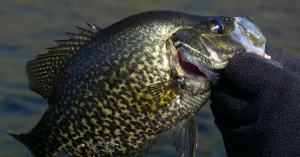
Crappie are among the most popular freshwater game fish in North America. There are two main species: the black crappie and the white crappie. Both are part of the sunfish family and are known for their tasty meat, making them a favorite target for anglers year-round.
Where Crappie Are Found
Crappie thrive in lakes, reservoirs, ponds, and slow-moving rivers. They prefer:
- Shallow water during the spring spawning season
- Deeper brush piles or submerged timber during summer and winter
- Structure like docks, fallen trees, or weed lines that offer cover from predators
Crappie Behavior by Season
Knowing how crappie behave throughout the year can make or break your catch rate:
- Spring: Peak spawning. Crappie move shallow and are easiest to catch.
- Summer: They go deeper to find cooler water and often suspend around structure.
- Fall: Crappie chase baitfish aggressively in mid-depth waters.
- Winter: Slower bites, but they can still be caught near deep brush piles or channels.
Gear Setup for Crappie
Fishing for crappie doesn’t require heavy-duty equipment. A light or ultralight rod and spinning reel combo is usually all you need. Consider the following:
- Line: 2 to 6 lb test for monofilament, or a braided line for crappie fishing when around thick cover
- Hooks: Small Aberdeen hooks (#2 to #6)
- Bobbers: Small slip bobbers for precise depth control
Common Crappie Baits
Crappie will hit a range of both live and artificial baits. Here are some solid choices:
- Live minnows: The classic go-to bait for crappie anglers
- Soft plastic grubs: Curly tails or tubes in white, chartreuse, or pink
- Jigs: Marabou or hair jigs with subtle movements
Effective Techniques for Catching Crappie
Several tactics work well for crappie, depending on the time of year and water conditions:
- Vertical jigging near brush piles or submerged structure
- Long-line trolling with multiple rods and light jigs
- Dock shooting: Skipping jigs under docks where crappie hide
- Night fishing with underwater lights to attract baitfish and crappie
Cleaning and Cooking Crappie
Crappie are known for their mild flavor and flaky texture. Once you’ve caught a good mess, clean them using a fillet knife and remove the skin. You can fry them in cornmeal, bake them with lemon and herbs, or toss them on the grill. Either way, fresh crappie is hard to beat at the dinner table.
Conservation and Size Limits
Crappie populations can be heavily impacted by overharvesting, especially during the spring. Always check local regulations regarding:
- Daily bag limits
- Minimum size requirements
- Closed seasons (where applicable)
Closing Thoughts
Crappie fishing is more than just a pastime. It’s a tradition passed down through generations. Whether you’re posting up on a dock or drifting across open water, chasing slabs is always rewarding. And if you’re wondering how line choice affects your setup, that’s where experience pays off. The type of braid for crappie fishing can make a big difference, especially around structure.
It might be worth seeing what Braided Kings has to offer when it comes to braided line options built for freshwater species like crappie. Sometimes the right spool can save the trip. For more detailed information on crappie fishing, check out this community on Crappie Fishing Tips and Techniques. And if you’re looking for top-quality braided lines for crappie fishing, be sure to visit Braided Kings homepage for all your fishing gear needs.

