
Currently Empty: $0.00

 4x Braided Line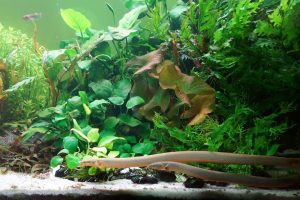
Out of all the oddball fish out there, the rope fish stands out for its eel-like body and prehistoric vibe. Also known as reedfish, this species has a body shape and movement that turns heads in any setup. It’s not a common catch or sight, but it grabs attention from folks into odd species or natural curiosities. This isn’t your average tropical fish. It’s more like a mix between a snake, a fish, and something straight out of an old biology textbook.
Where Rope Fish Come From
These fish are native to central and western Africa. You’ll find them mostly in slow-moving, shallow waters like swamps, floodplains, and lowland rivers. They’re built for survival in oxygen-poor water thanks to a special lung-like organ. That’s part of why they can breathe air and even survive out of water for short bursts, which is wild for a fish.
- Geographic range: Nigeria, Cameroon, Congo River basin, and nearby regions
- Typical habitats: Warm, murky, low-oxygen zones with lots of plant growth
- Adaptations: Air-breathing ability using a modified swim bladder
Why Rope Fish Are So Unique
There are a few things about rope fish that make them different from just about anything else swimming around. They’re a throwback species that hasn’t changed much in millions of years. The way they move and interact with their surroundings is more like a reptile than a modern fish. Most folks notice the following first:
- Elongated body: Their long, flexible bodies can stretch up to 36 inches
- Ganoid scales: Thick, armor-like scales give them a rough texture
- Pectoral fins: Help them “walk” across surfaces like the bottom of a tank or shallow mud
Diet and Natural Behavior
In the wild, rope fish are nocturnal and feed on smaller fish, insects, crustaceans, and worms. They’re stealthy ambush predators. Instead of chasing, they prefer to sneak up or lie in wait. Once they strike, they can gulp down prey in one bite thanks to their long bodies and large mouths.
Key facts about their behavior in nature:
- Nocturnal: Active mostly at night or in low-light conditions
- Slow swimmers: Don’t chase, they sneak or trap prey
- Solitary: Usually travel alone or with limited interaction
Physical Stats and Features
| Feature | Description |
|---|---|
| Length | Up to 36 inches in the wild |
| Body shape | Long, snake-like with strong muscle bands |
| Color | Olive green to gray-brown, blending into murky waters |
| Scales | Ganoid type, tough and armor-like |
How They Survive Harsh Conditions
What makes rope fish especially interesting is how well they survive in tough conditions. They’re able to use atmospheric oxygen when water conditions get bad. That’s a trait not seen in many fish. Combine that with their thick scales and primitive build, and you’ve got a survivor that’s hard to match.
- Lung-like bladder: Helps them gulp air at the surface
- Escape behavior: Known for jumping or crawling short distances if water gets too dirty
- Low aggression: Usually avoids conflict, unless food is involved
Curiosity Around Rope Fish
Most folks who come across a rope fish for the first time can’t believe it’s real. There’s something about the ancient look, the movement, and the odd breathing habits that makes it feel like a leftover from the dinosaur age. It’s more of a conversation piece or living fossil than anything else. They’re not flashy, but they spark interest fast.
- Looks like a mix of a snake and an eel
- Survives better in bad conditions than most tropical species
- Rarely seen in the wild unless you know what you’re looking for
Final Thoughts
This isn’t a care guide and shouldn’t be taken as one. But there’s no harm in pointing out the biological and evolutionary traits that make rope fish stand out. They’ve been around long before modern gear and setups. They don’t rely on high oxygen levels or fast current. They make the most of what’s around, and they’ve done it for a long time. People interested in evolution, ancient fish lineages, or aquatic oddities tend to enjoy learning about rope fish. They sit somewhere between science fact and living relic. While most fish blend into their environment, rope fish get noticed right away.

