
Currently Empty: $0.00

 4x Braided Line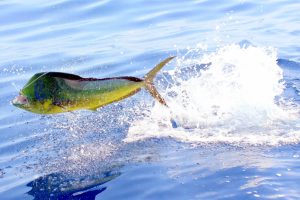
The dorado fish, also known as mahi-mahi in saltwater and golden dorado in freshwater, is one of the most exciting species an angler can hook into. These fish are known for their power, aggressive strikes, and beautiful coloration. But there’s more to dorado than just looks and muscle. Whether you’re chasing them in the ocean or rivers of South America, you need to come prepared.
Saltwater vs Freshwater Dorado
It’s important to know that the term “dorado” refers to two different fish species depending on where you’re fishing.
- Saltwater dorado: Also called mahi-mahi, these are found in warm ocean waters worldwide.
- Freshwater dorado: Known as golden dorado, these are native to river systems in South America.
Both fish are aggressive and strong, but they live in completely different environments and require different gear and techniques.
What Makes Dorado Fish Special
Dorado aren’t your average catch. They fight hard, leap high, and look incredible. Here’s why many anglers chase them year after year:
- Coloration: Bright golds, greens, and blues that change depending on mood and environment.
- Fight: Powerful runs, acrobatics, and no quit until they hit the net.
- Fast growers: Saltwater dorado grow rapidly and can reach 40 pounds in just a few years.
- Topwater strikes: Especially the golden dorado, which will crush a surface lure in heavy current.
Where to Find Them
Depending on which dorado you’re after, your location will vary a lot. Each has their hotspots.
- Saltwater dorado: Found in the Pacific, Indian, and Atlantic oceans. Common around the Gulf of Mexico.
- Freshwater dorado: Best waters are the Paraná River system and Bolivia’s jungle rivers like the Secure and Pluma.
They prefer warmer temperatures, and saltwater dorado often gather around floating debris, weed lines, and buoys where bait congregates.
Gear and Tackle for Dorado
If you want to land one of these bruisers, come prepared. They’ll expose any weak link in your setup fast.
- Rod: Medium-heavy to heavy action rods with fast tips. Longer rods help manage surging runs and jumps.
- Reel: A strong reel with smooth drag is essential. Both spinning and baitcasting setups work depending on your style.
- Line: Braided line around 40 to 65 lb is common, especially when fishing structure or in current.
- Leader: Fluorocarbon leaders in the 40 to 80 lb range are recommended to resist abrasion.
Popular Lures and Baits
Dorado are visual predators. They’ll hammer lures with flash and movement. What you use depends on the water type.
- Saltwater dorado: Skirted trolling lures, cut bait like ballyhoo, and poppers near floating debris.
- Freshwater dorado: Topwater lures, streamers for fly fishing, and large swimbaits or crankbaits.
Seasonal Patterns
Knowing when to fish for dorado can make or break your trip. Here’s a general guide:
| Season | Saltwater Dorado | Freshwater Dorado |
|---|---|---|
| Spring | Start showing up in warmer currents | Low water in some rivers, fish hold in deeper pools |
| Summer | Peak season, found near debris and sargassum | High activity in jungle waters, aggressive topwater action |
| Fall | Still active, but starts tapering off | Good fishing, especially in clearer water |
| Winter | Limited action unless near the equator | Less active but still possible in warmer zones |
Tips for Hooking and Landing Dorado
- Keep pressure: Don’t let slack in the line. Dorado will shake hooks if you give them room.
- Be ready for jumps: When they leap, keep your rod tip low and stay tight.
- Chum smart: For saltwater dorado, chumming around a weed line can trigger a frenzy.
- Target ambush spots: Freshwater dorado like current seams, rocks, and log jams.
Cooking and Eating Dorado
Dorado is not just a sport fish, it’s also a great eating fish. Saltwater dorado, especially mahi-mahi, has firm, white meat that holds up well on the grill or in ceviche. Freshwater golden dorado is less commonly eaten due to conservation in some regions, but where legal, it has a mild flavor and rich texture.
- Grilled: Simple salt, pepper, and citrus marinade works best.
- Fried: Light breading with a cornmeal mix is common in some areas.
- Ceviche: Use fresh cuts with lime juice, onions, and cilantro for a tropical taste.
Conservation and Ethics
Many freshwater golden dorado fisheries are now catch-and-release only. It’s best to check FWC regulations if you live in Florida before keeping any fish. Saltwater dorado are fast growers and can be harvested responsibly, but always consider the long-term health of the fishery. Use proper handling tools and avoid dry hands or rough surfaces that can damage the fish.
Final Thoughts
Dorado fish are one of the most thrilling species to target whether you’re in the blue water or deep in a South American river. They strike hard, fight even harder, and offer unforgettable moments for anyone who gives them a shot. If you’re planning a trip or already live near prime dorado territory, it’s worth the effort to target them right.

