
Currently Empty: $0.00

 4x Braided Line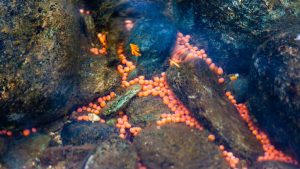
Fish eggs are more than just a delicacy on some dinner plates. In the wild, they play a vital role in the survival and continuation of countless aquatic species. From freshwater streams to deep ocean currents, fish eggs mark the beginning of the life cycle for millions of fish. They are laid, fertilized, and either nurtured or left to fend for themselves depending on the species. Understanding their function and value can help both anglers and conservationists alike.
What Are Fish Eggs?
Fish eggs, also called roe, are the reproductive cells released by female fish. When fertilized by male sperm (called milt), they develop into embryos and eventually hatch into fry. They vary in size, color, and texture depending on the species and environment.
- Salmon eggs: Large, bright orange, and laid in freshwater streams.
- Trout eggs: Slightly smaller than salmon, often pale yellow or orange.
- Carp and catfish eggs: Smaller and more numerous, laid in warm, shallow waters.
- Marine species: Eggs from saltwater fish like mackerel or tuna are often pelagic and float with currents.
Life Cycle and Hatching Conditions
The survival of fish eggs depends on a number of environmental factors. Temperature, oxygen levels, and water quality all play a major role. Certain species require very specific conditions to develop properly.
Below is a chart showing approximate hatching times for popular species depending on water temperature:
| Species | Water Temperature (F) | Hatching Time (Days) |
|---|---|---|
| Rainbow Trout | 50 | 20-25 |
| Salmon | 45 | 40-50 |
| Carp | 68 | 3-8 |
| Catfish | 75 | 5-10 |
Why Fish Eggs Matter to Anglers
For many anglers, especially those who target trout and salmon, understanding the spawning cycle is crucial. Fish tend to become more aggressive during the spawning season, often making them easier to locate and catch. Some anglers even use artificial egg patterns or real cured roe as bait.
Benefits of using fish eggs or imitations as bait:
- Highly visible in murky water
- Natural scent attracts nearby fish
- Effective during spawning season
However, there are ethical considerations when using real roe. Some fisheries regulate or ban its use due to overharvesting or ecological impact.
Fish Eggs in Aquaculture and Conservation
In fish hatcheries and aquaculture systems, collecting and fertilizing fish eggs is part of the breeding process. Hatchery-raised fish often begin their lives in tanks filled with carefully monitored eggs. These facilities track fertilization rates, temperature, and oxygen levels closely.
Fish eggs are also an important part of conservation efforts. Restocking native species in depleted waters often starts with egg collection and controlled hatching. Scientists can even freeze and store fish eggs for future use through cryopreservation.
Edible Roe and Global Cuisine
While this may be more of a culinary detour, fish eggs have long been part of many diets around the world. Caviar from sturgeon is considered a luxury item, while salmon roe is popular in sushi. Other edible types include capelin, lumpfish, and flying fish roe. Though not central to fishing, it shows how valuable roe is across industries.
Anglers sometimes cure their own salmon or trout roe for both bait and eating. It’s important to know local laws and ensure proper storage to avoid spoilage or legal trouble.
Protecting Spawning Grounds
Fish eggs are vulnerable to many environmental threats, especially during the early stages. Pollution, sedimentation, and habitat destruction can wipe out entire batches. Anglers and conservationists must take care around spawning grounds, especially during spring and fall when most species lay eggs.
Ways to protect fish eggs while fishing:
- Avoid walking on gravel beds where fish may have laid eggs.
- Keep noise and vibration to a minimum around spawning sites.
- Respect seasonal closures and restricted zones.
- Use barbless hooks and practice catch and release when targeting spawning fish.
Conclusion
Fish eggs are a crucial building block in the aquatic food chain. They provide life, sustain ecosystems, and even serve anglers directly as bait. Whether you’re fishing, eating, or helping stock a stream, it’s worth understanding how fish eggs work and what they mean to the waters you love. The more you respect their role, the more success you’ll find in the long run. Whether you’re casting upstream for trout or chasing down a bass bite, knowing what’s beneath the surface makes all the difference. Fish eggs aren’t just part of the cycle they’re part of the strategy.

