
Currently Empty: $0.00

 4x Braided Line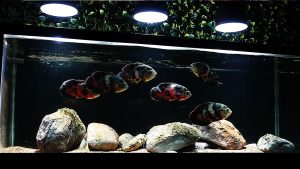
The Oscar fish, also known as Astronotus ocellatus, is a large, intelligent freshwater species native to South America. Commonly found in the Amazon basin, Oscars have earned a reputation for their personality and striking appearance. Many aquarists refer to them as the “dogs of the aquarium” because of how they interact with their owners. Oscar fish are not for beginners, but for those who can handle them, they offer a rewarding experience unlike most other freshwater fish.
General Characteristics of Oscar Fish
Oscars stand out in a tank, both in behavior and looks. Here’s what to expect:
- Size: Can grow up to 12-14 inches in captivity with proper care.
- Lifespan: Often lives for 10-15 years or more.
- Color variations: Wild type, Tiger Oscar, Red Oscar, Albino Oscar, and Lemon Oscar.
- Temperament: Semi-aggressive and highly territorial.
They need plenty of room and aren’t ideal for small community tanks. Oscar fish can show emotion, recognize faces, and even learn routines.
Tank Setup and Environment
Keeping an Oscar healthy means planning the tank around their unique needs. They are powerful swimmers and messy eaters.
- Minimum tank size: 55 gallons for one adult, ideally 75 gallons or more.
- Filtration: Strong external canister filters are a must due to waste output.
- Substrate: Sand or smooth gravel to avoid injury from digging behavior.
- Decor: Use rocks and driftwood securely placed, avoid sharp objects.
Oscars like to rearrange their tank and often uproot plants or knock over ornaments. Don’t expect a perfect aquascape with them.
Water Parameters for Healthy Growth
Oscar fish thrive in clean, stable water. Here’s a basic water chart to follow:
| Parameter | Recommended Range |
|---|---|
| Temperature | 74°F – 81°F (23°C – 27°C) |
| pH Level | 6.0 – 8.0 (Neutral preferred) |
| Hardness | 5 – 20 dGH |
| Ammonia/Nitrite | 0 ppm (Always) |
| Nitrate | < 40 ppm |
Strong filtration, regular water changes, and proper cycling are essential when keeping Oscar fish.
Feeding the Oscar Fish
Oscars are true omnivores with a big appetite. They’ll eat just about anything, but you need to keep their diet balanced for long-term health.
- Pellets: Use high-quality cichlid pellets as a base diet.
- Frozen foods: Bloodworms, brine shrimp, and krill are excellent supplements.
- Live foods: Use sparingly and only from trusted sources to avoid parasites.
- Vegetables: Peas, zucchini, and spinach help with digestion.
Avoid overfeeding. Oscar fish are prone to obesity and digestive issues if given too much food too often.
Behavior and Intelligence
One of the biggest reasons people ask about Oscar fish is their interactive behavior. They’re not passive or shy like many other freshwater species.
- They beg for food: Oscars recognize their owners and will swim up to greet them.
- They rearrange their tanks: It’s common to find decorations moved around daily.
- They can sulk: If moved or stressed, an Oscar may refuse food and stay hidden for days.
Their intelligence means they need stimulation. A bored Oscar can become aggressive or destructive.
Tank Mates and Compatibility
Picking the right tank mates is important. Oscars aren’t usually aggressive unless they’re stressed or cramped, but their size and appetite make them dangerous to smaller fish.
- Compatible tank mates: Large catfish (like plecos), silver dollars, or other large cichlids.
- Bad choices: Guppies, tetras, shrimp, or anything small enough to be eaten.
- Territory matters: The more space each fish has, the better they’ll get along.
Introduce tank mates while the Oscar is young, if possible. Mixing adults can result in aggression or injury.
Common Health Concerns
Oscar fish can live a long time if kept healthy, but they are still vulnerable to several issues.
- Hole-in-the-head disease: Usually caused by poor water quality or nutrition.
- Ich: Small white spots on the body and fins. Treat with temperature changes and medication.
- Constipation: Caused by overfeeding. Feed peas occasionally to help with digestion.
Regular water testing, tank maintenance, and observation help prevent most common issues.
Breeding Oscar Fish
Breeding Oscars isn’t easy. They need to pair off naturally, and even then, aggression is common during the process.
- Breeding tank: 75 gallons or larger with flat rocks or tiles for laying eggs.
- Spawning signs: Increased aggression, digging, and cleaning surfaces.
- Egg care: Parents may eat their first few batches out of inexperience or stress.
It’s better to let them form pairs naturally than trying to force a mating match.
Is an Oscar Fish Right for You?
Oscars are beautiful, bold, and smart, but they’re not low-maintenance. If you’re new to fishkeeping, they might be overwhelming. But if you’re ready for a pet with real personality and can commit to a larger setup, they’re a solid choice.
- They require more food, space, and attention than typical tropical fish.
- They’ll reward that effort with years of interaction and growth.
- They’re not decoration pieces. They’re living, responsive animals that can form habits.
Taking care of an Oscar fish isn’t just about keeping it alive. It’s about giving it the room, routine, and respect it needs to thrive.

